
How Pawn Shops Really Work: What You Should Know Before You Go
Many people feel uncertain when visiting pawn shops for the first time because the process can seem unfamiliar and intimidating. Some customers worry about being judged for bringing in personal belongings, while others simply want to understand how loans and purchases work before stepping inside. A pawn transaction is often faster than traditional lending methods, which makes it appealing for people who need quick access to cash.
These businesses also attract collectors searching for unique jewelry, vintage items, electronics, musical instruments, and precious metals. Knowing what to expect ahead of time can help customers feel more confident during the experience. Understanding the details behind pricing, negotiations, and loan terms can also prevent confusion later on. Learning how the industry operates allows buyers and sellers to make more informed financial decisions. A little preparation can transform what feels like an unfamiliar process into a smooth and beneficial experience.
Understanding How Collateral Loans Operate
Collateral loans are the foundation of most pawn transactions because customers temporarily exchange valuables for short-term funding. The store evaluates the condition, resale potential, authenticity, and current market demand of the item before making an offer. Employees often inspect jewelry markings, gemstone quality, electronic functionality, or collectible rarity during the review process.
Many pawn shops use current market trends to determine realistic values instead of relying on emotional attachment or original purchase prices. The customer receives a ticket outlining repayment terms, interest charges, and the loan expiration date after the agreement is finalized. If the borrower returns within the specified period and pays the balance, the item is returned in its original condition. If the loan is not repaid, the store becomes the legal owner and may place the item for resale. This arrangement allows people to receive immediate funds without affecting their credit score or requiring a lengthy approval process.
Learning How Item Values Are Determined
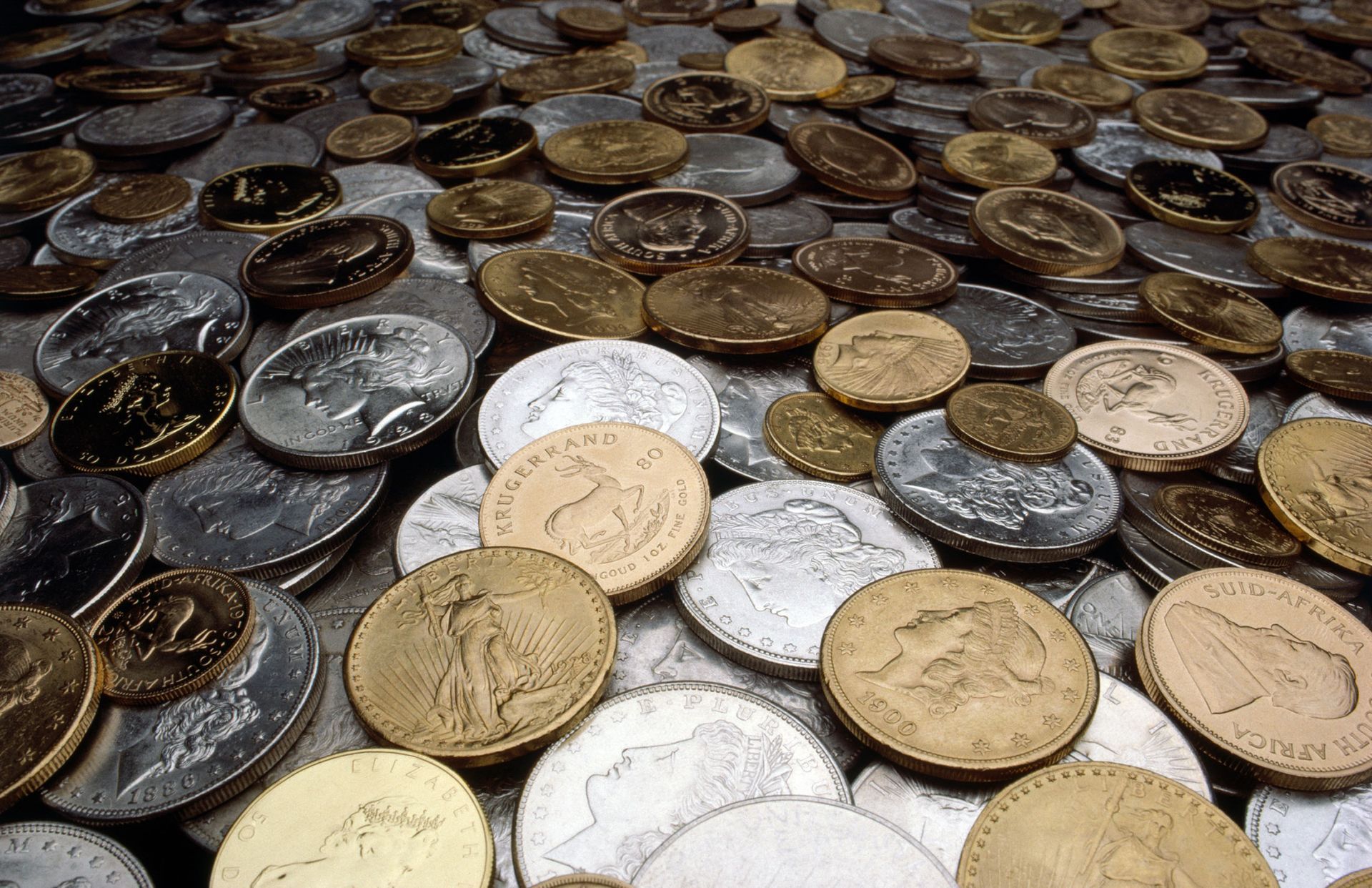
Pricing is based on several factors that influence how quickly an item may sell in the local market. Precious metals are weighed carefully and compared against current commodity pricing before a final estimate is offered. According to J.P. Morgan, gold prices may rise to nearly $3,150 per ounce by the end of 2025, which could increase interest in selling or pawning valuable jewelry pieces. Brand recognition also plays a major role because luxury watches, designer handbags, and premium electronics tend to hold stronger resale value.
Condition significantly affects pricing since scratches, missing components, or damaged packaging can reduce buyer interest. Many pawn shops also research online marketplaces and regional trends to compare current selling prices for similar products. Seasonal demand may influence offers as well because certain items become more desirable during holidays or special events. Customers who clean their items and bring original documentation often receive better evaluations during the appraisal process.
Recognizing What Documentation Is Required
Identification requirements are important because these businesses must comply with local and state regulations regarding secondhand merchandise. Customers are usually asked to present a valid government-issued photo identification before completing a transaction. Some locations may also require fingerprints or additional paperwork depending on regional laws and reporting requirements.
Transaction details are frequently shared with law enforcement databases to help prevent the resale of stolen property. Many pawn shops maintain detailed records that include serial numbers, product descriptions, and customer information for legal compliance. Honest communication about ownership and item history can help the process move more efficiently during the visit. Customers should also review loan agreements carefully to understand repayment dates, renewal options, and possible penalties. Taking a few minutes to ask questions before signing paperwork can reduce misunderstandings and improve the overall experience.
Comparing Buying Opportunities With Retail Stores
Shopping for secondhand goods can offer meaningful savings when compared with purchasing brand-new products at traditional retailers. Jewelry, tools, musical instruments, gaming systems, and collectibles are often available at lower prices than in standard department stores. Inventory changes regularly because merchandise depends entirely on what customers bring into the business each day. Many pawn shops attract bargain hunters who enjoy discovering rare or unusual items that are difficult to find elsewhere.
Buyers should still inspect products carefully and test electronics whenever possible before completing a purchase. Asking about return policies or warranties is also important because policies vary between businesses and product categories. Negotiation is commonly accepted in many stores, which gives shoppers an opportunity to discuss pricing respectfully with employees. Customers who research product values ahead of time are usually better prepared to recognize fair deals and quality merchandise.
Preparing For Better Negotiation Outcomes
Preparation can make a substantial difference when discussing prices or loan amounts with store representatives. Customers should gather receipts, certificates, original packaging, and maintenance records before bringing valuable items for review. Clean presentation often creates a stronger impression because polished jewelry and well-maintained electronics appear more desirable to potential buyers.
Many pawn shops appreciate customers who understand realistic resale values and communicate respectfully during negotiations. Setting reasonable expectations is important because offers are typically based on resale margins rather than sentimental value. Researching current market prices online can provide a helpful starting point before beginning discussions at the counter. Timing may also influence negotiations because demand for specific products fluctuates throughout the year. Remaining patient and professional during conversations often leads to a smoother experience and a more productive outcome for everyone involved.
Avoiding Common Mistakes During Your Visit
First-time customers sometimes make avoidable mistakes that can affect the outcome of their transaction. One of the most common issues is arriving without researching the approximate value of an item beforehand. People who understand current market pricing are usually more confident during discussions and better prepared for realistic offers. Another mistake involves bringing damaged or incomplete products that may have reduced resale potential.
Many pawn shops place greater value on items that include original boxes, certificates, chargers, or accessories because they are easier to resell. Customers should also avoid rushing through paperwork without reviewing the terms of the agreement carefully. Asking questions about fees, deadlines, and renewal options can prevent misunderstandings later in the process. Taking a thoughtful and prepared approach often leads to a smoother experience and a more satisfying transaction overall.
Exploring Why Customer Relationships Matter
Building a positive relationship with a reputable business can improve future experiences and create a greater sense of confidence during transactions. Customers who return regularly often become more familiar with store procedures, pricing practices, and available inventory. Strong communication also helps employees better understand customer preferences when searching for specific products or collectibles. Many pawn shops value repeat customers because long term relationships contribute to a more dependable and trustworthy business environment.
Returning clients may also feel more comfortable negotiating fairly because mutual respect has already been established through previous interactions. Professional staff members can provide useful insights about jewelry care, collectible trends, or market conditions during future visits. Friendly and respectful communication benefits both customers and employees throughout every stage of the transaction process. Establishing a reliable connection with a knowledgeable business can make future buying, selling, or loan experiences much easier to navigate.
Taking time to research pricing, organize documentation, and review repayment terms can significantly improve your overall experience. Customers who approach the process with realistic expectations are often more satisfied with the results of their transactions. Visiting reputable businesses with knowledgeable staff members can also provide reassurance during every step of the process. For reliable service, professional evaluations, and a welcoming environment, visit pawn shops at Naperville Jewelry & Coin Exchange to explore your options and receive knowledgeable assistance from an experienced team.


Share On: