
Pawn or Sell: What to Do with Unused Jewelry
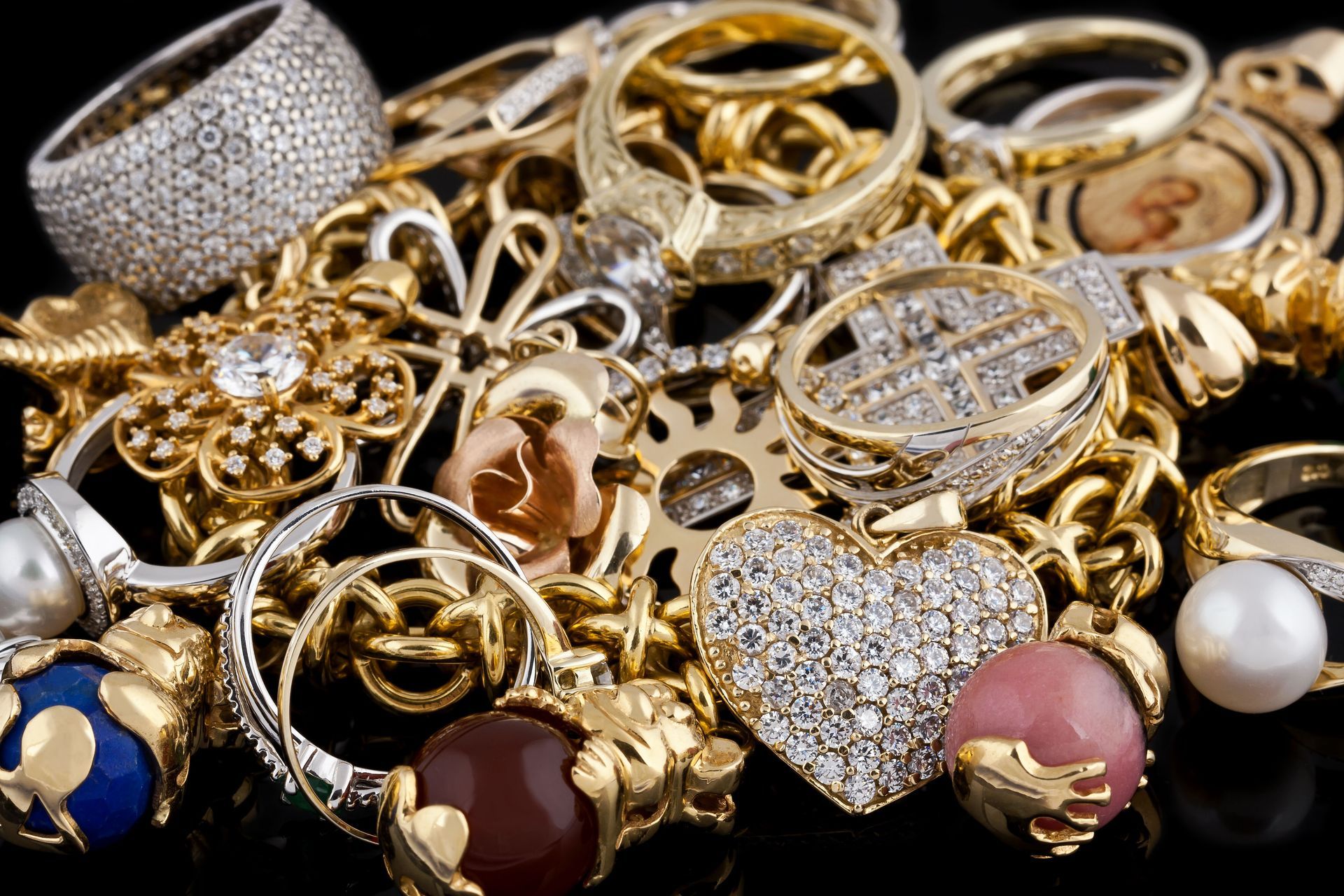
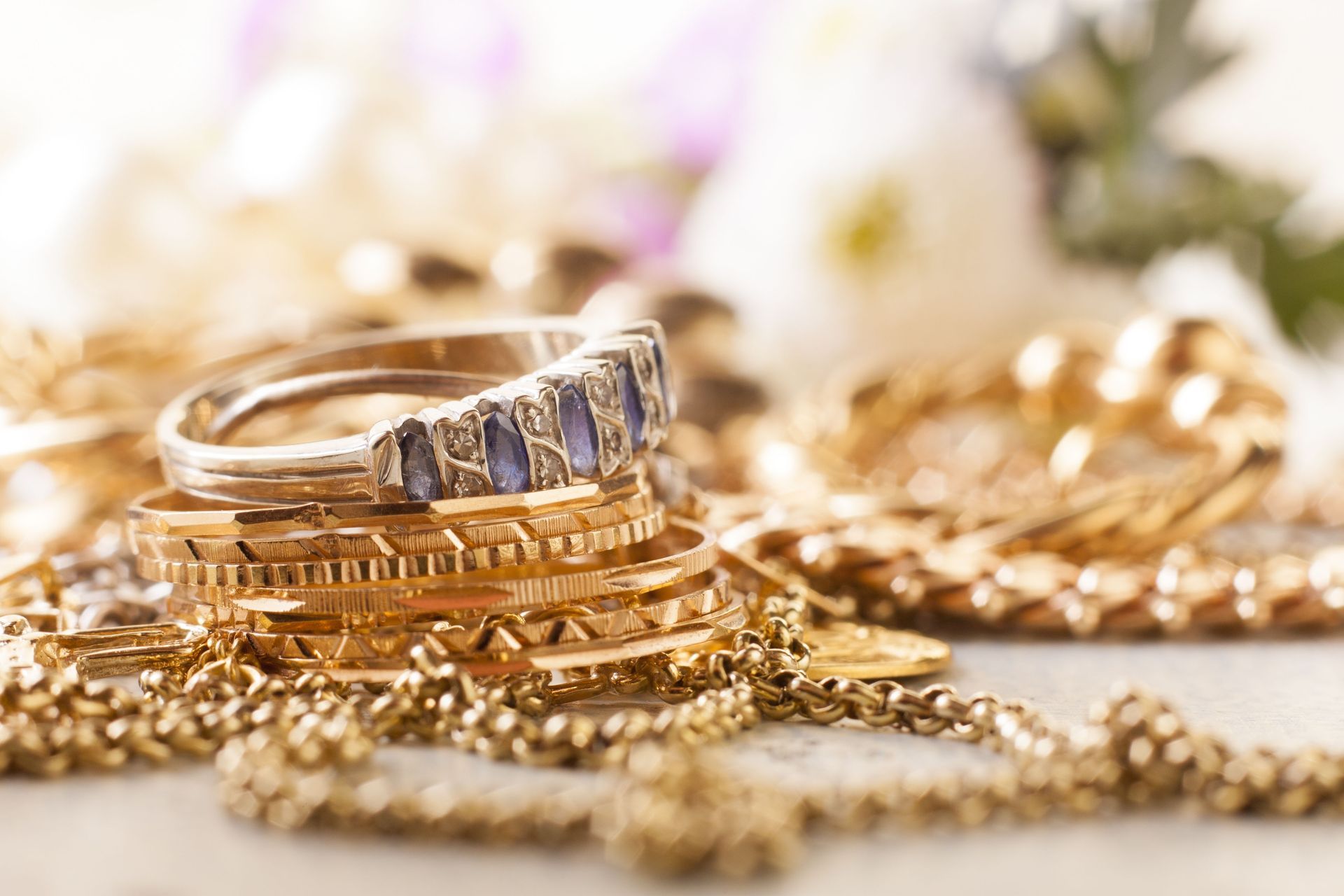
Unused jewelry often sits in a drawer for years, holding sentimental memories or untapped financial value. Whether it's an inherited necklace, a bracelet that no longer fits your style, or an engagement ring from a previous chapter in life, these items can provide an opportunity to access extra cash. The decision often comes down to whether you should pawn the jewelry or sell it outright. Each option serves a different purpose and comes with unique benefits depending on your financial goals, the value of the item, and whether you hope to keep ownership.
A local pawn shop can provide a convenient solution for both pawning and selling jewelry, but understanding how each process works helps you make a more informed decision. Factors such as current precious metal prices, gemstone quality, personal financial needs, and the long-term value of the item all play a role. According to Market Growth Reports, pawnshops throughout the United States serve an estimated 30 million customers each year, highlighting how many people rely on these businesses for short-term financial solutions and resale opportunities.
What Factors Should You Consider When Choosing to Pawn or Sell?
Choosing between pawning and selling starts with identifying your priorities. If you need temporary access to cash but hope to recover your jewelry later, pawning may be the better choice. If you have no plans to keep the item, selling it outright can provide a larger immediate payment without any future obligation.
The emotional value of the jewelry is another important consideration. Family heirlooms, wedding bands, or inherited pieces often carry personal significance that may outweigh their market value. Pawning allows you to retain ownership if you repay the loan within the agreed timeframe, making it an appealing option for sentimental items.
Financial circumstances also matter. Someone facing an unexpected expense may benefit from a pawn loan that offers quick funding without requiring a credit check. On the other hand, someone simply decluttering unused valuables may find selling to be the more practical option.
The condition of the jewelry should also be evaluated. Clean, well-maintained pieces with intact settings and original documentation generally receive stronger offers. Designer brands, certified diamonds, and precious metals like gold and platinum typically command higher values than costume jewelry or damaged items.
Working with a reputable local pawn shop gives you the opportunity to receive a professional evaluation and compare your options before making a decision.
How Does Pawning Jewelry Work?
Pawning jewelry is essentially a secured loan. You bring your jewelry to a local pawn shop, where the item is evaluated based on factors such as metal purity, gemstone quality, craftsmanship, brand recognition, and current market demand. The shop then offers a loan amount using the jewelry as collateral.
If you accept the loan, the shop securely stores your jewelry while you receive the agreed-upon funds. The loan agreement outlines the repayment period, interest, and applicable fees. Once the loan is repaid according to the contract, your jewelry is returned.
If the loan is not repaid within the required timeframe, ownership of the jewelry transfers to the pawn shop, allowing the business to sell the item and recover its investment. Unlike traditional loans, defaulting generally does not affect your credit because the loan is secured entirely by the pledged property.
Many customers appreciate the speed and convenience of this process. Rather than waiting for bank approvals or completing lengthy applications, pawning often provides cash on the same day. For individuals experiencing temporary financial challenges, it offers flexibility while preserving the possibility of reclaiming valuable possessions.
What Is the Difference in Value Between Pawning and Selling?
One of the biggest differences between pawning and selling lies in the amount of money you may receive.
When selling jewelry, the transaction is permanent. Because the buyer assumes ownership immediately, the offer often reflects a higher percentage of the item's market value. The buyer expects to resell the jewelry while accounting for business expenses, refurbishment costs, and market fluctuations, but there is no expectation that the original owner will return.
Obtaining offers for both pawning and selling allows you to compare your options before making a final decision. A knowledgeable local pawn shop can explain how each offer is calculated so you understand the reasoning behind the valuation.
What Are the Best Practices for Selling Jewelry to a Local Pawn Shop?
Preparing your jewelry before visiting a buyer can improve both the experience and the potential offer.
Begin by gently cleaning the jewelry to remove dirt, oils, and surface buildup. Presentation matters because clean items are easier to inspect and often create a stronger first impression.
If you still have original boxes, receipts, diamond certificates, or appraisal documents, bring them along. These materials can help verify authenticity and provide additional information about the piece's specifications.
It is also helpful to research current precious metal prices before your visit. While the value of jewelry depends on more than just gold or silver content, understanding market conditions gives you realistic expectations.
Do not hesitate to ask questions during the evaluation process. Reputable buyers should explain how they determine value, discuss the factors affecting the offer, and answer questions about gemstones, precious metals, or resale demand.
Comparing offers from more than one buyer can also be worthwhile if time allows. Although pricing may be similar across reputable businesses, differences in inventory needs and customer demand can influence individual offers.
Choosing an established local pawn shop with experienced staff often provides greater confidence throughout the transaction. Businesses that prioritize transparency, accurate testing methods, and clear communication help customers feel more comfortable with their decisions.
How Can You Determine the Right Time to Pawn vs. Sell?
Timing plays an important role when deciding whether to pawn or sell jewelry.
If you expect your financial situation to improve within the next few weeks or months, pawning may offer the flexibility you need while allowing you to recover your jewelry later. This option works well for temporary expenses such as emergency repairs, medical bills, or short-term cash flow gaps.
Selling may make more sense when you have permanently decided to part with the jewelry or no longer see long-term value in keeping it. It can also be beneficial when precious metal prices are particularly strong, potentially increasing the value of gold or platinum pieces.
Seasonal demand can influence resale markets as well. Jewelry often experiences increased consumer interest during holidays, engagement seasons, and major gift-giving occasions. While these trends primarily affect retailers, market demand may indirectly influence purchasing decisions.
Your personal attachment to the jewelry should remain part of the equation. Items with lasting sentimental value deserve additional consideration before making a permanent sale. Once sold, recovering the exact piece may not be possible.
Consulting with professionals at a trusted local pawn shop can help you understand current market conditions and evaluate which option aligns best with your financial goals and future plans.
Deciding whether to pawn or sell unused jewelry requires balancing immediate financial needs with the long-term value of the items you own. Pawning offers temporary access to cash while preserving the opportunity to reclaim sentimental possessions, whereas selling provides a larger one-time payment for jewelry you no longer wish to keep.
Understanding how valuations are determined, preparing your jewelry properly, researching market conditions, and asking informed questions all contribute to a better outcome. Whether you're looking for short-term financial flexibility or hoping to convert unused valuables into cash, taking the time to compare your options can lead to greater confidence in your decision.
A reputable
local pawn shop can guide you through both processes, explain how your jewelry is evaluated, and help you determine whether pawning or selling is the better fit for your individual circumstances. By approaching the decision thoughtfully, you can make the most of your unused jewelry while selecting the option that best supports your financial goals. If you're looking to turn old jewelry into cash, reach out to Naperville Jewelry & Coin Exchange today!
Share On: